
Introduction: The Growth Lever Most Businesses Underutilise
In scale-stage businesses, growth conversations are dominated by acquisitions, new markets, new channels, and new customers. Retention is often discussed, but rarely treated as a strategic revenue engine.
This is a costly oversight.
Bain & Company’s research on loyalty economics shows that increasing customer retention rates by just 5% can increase profits by 25% to 95%, depending on the industry.
Despite this, many businesses treat loyal customers as a passive outcome of good service rather than an active growth lever. When designed strategically, exclusive offers can fundamentally reshape customer lifetime value, pricing power, and margin stability.
This article explores why exclusive offers for loyal customer segments are not about discounts or rewards, but about architecting predictable, compounding revenue.
Why Retention Economics Outperform Acquisition at Scale

Customer acquisition is visible. Retention is compounding.
Harvard Business Review has long highlighted that acquiring a new customer can cost five to seven times more than retaining an existing one, making retention-led growth structurally more profitable.
As businesses scale, acquisition costs rise due to channel saturation and competitive bidding. Retention, by contrast, benefits from familiarity, trust, and lower friction.
Exclusive offers, when targeted correctly, amplify these dynamics by reinforcing emotional and economic commitment to the brand.
Exclusive Offers as a Strategic Tool, Not a Tactical Incentive
Most companies misuse exclusive offers.
They deploy them reactively, as short-term promotions to stimulate demand, or universally, eroding margins without differentiation. This approach trains customers to wait for discounts, but in reality, strategic exclusive offers do the opposite.
They are:
- Reserved for clearly defined high-value segments
- Designed to reward behaviour, not just transactions
- Positioned as access, not price reduction
McKinsey’s research on personalisation shows that companies that tailor experiences and offers to specific customer segments can generate 10–15% incremental revenue, while improving customer satisfaction and loyalty.
Exclusivity works because it reinforces perceived value. Customers feel recognised, not incentivised.
Segmenting Loyal Customers: Where Most Businesses Fall Short
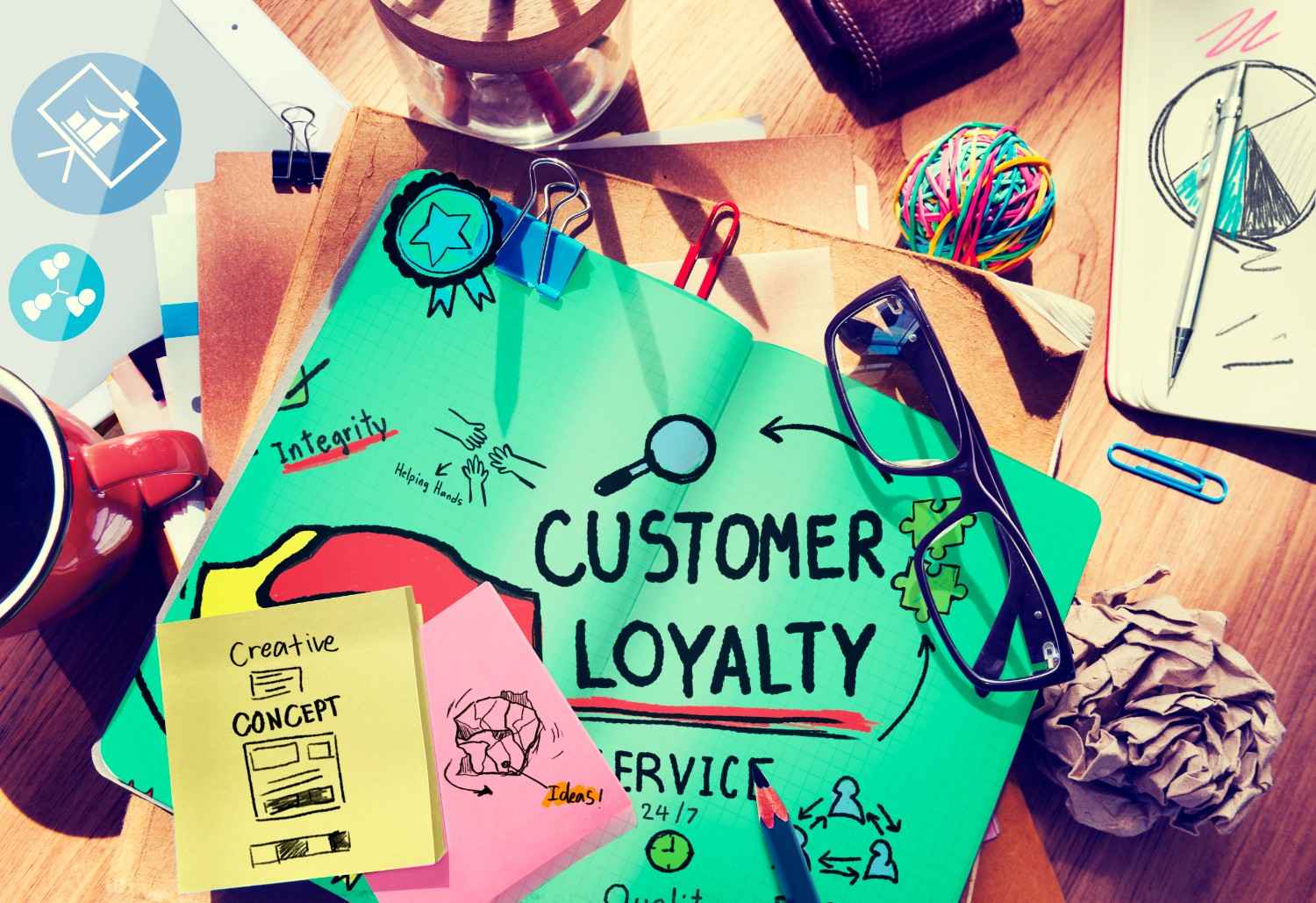
Not all loyal customers are equally valuable.
BCG’s work on customer-centric growth emphasises that a small percentage of customers often contributes a disproportionate share of profits.
Yet many businesses rely on blunt segmentation, frequency, spend, or tenure, without understanding underlying profitability.
Effective loyalty segmentation considers:
- Contribution margin, not just revenue
- Purchase consistency over time
- Willingness to pay
- Engagement beyond transactions
Exclusive offers should be designed for economically valuable behaviour, not volume alone. When misaligned, loyalty programs increase costs without increasing profit.
Personalisation and Perceived Fairness in Exclusive Offers

One of the biggest founder fears around exclusive offers is customer backlash, concerns about fairness or transparency.
This fear is often overstated.
PwC’s Future of Customer Experience research shows that 32% of customers will walk away from a brand they love after just one bad experience, while personalised, respectful engagement increases trust and longevity.
When exclusive offers are framed around loyalty, tenure, or contribution, customers perceive them as earned, not arbitrary.
The strategic insight is simple: transparency and relevance neutralise resentment.
Why Smart Founders Still Underinvest in Loyalty-Led Growth
Despite clear economics, many founders deprioritise loyalty initiatives.
The reasons are structural:
- Growth teams are incentivised on acquisition metrics
- Loyalty ROI compounds slowly, not instantly
- Exclusive offers require cross-functional coordination
McKinsey has observed that organisations overly focused on short-term performance often underinvest in long-term customer value creation
(https://www.mckinsey.com/capabilities/strategy-and-corporate-finance/our-insights/long-term-capitalism).
Loyalty-led growth demands patience and discipline, qualities often tested during rapid scale.
But businesses that ignore this lever eventually face margin pressure, discount dependency, and unstable revenue.
The MIH View: Loyalty as a Revenue System, Not a Program
At Make 10X Happen (MIH), loyalty is treated as a strategic revenue system, not a marketing initiative.
Exclusive offers are effective only when:
- Loyalty segments are economically defined
- Offers reinforce positioning, not dilute it
- Pricing discipline is maintained
- Execution is consistent across touchpoints
When designed correctly, exclusive offers do not reduce margins; they protect and expand them by increasing customer lifetime value and reducing volatility.
This is how businesses move from transactional growth to relationship-driven scale.
Conclusion: The Compounding Advantage of Loyal Customers
In the race for growth, most businesses look outward, toward new customers, new markets, and new channels. The smartest ones look inward.
Exclusive offers for loyal customer segments unlock a form of growth that is quieter, more resilient, and far more profitable. They convert trust into revenue and longevity into advantage.
At MIH, 10X growth is not built on constant acquisition, but on intentional compounding, where every loyal customer becomes a long-term asset, not a one-time transaction. Visit our website to connect with us. Let’s craft some great and long-term discounts for your loyal customers.