


The Price List Nobody Wants to Touch
You worked out the new numbers weeks ago. Costs are up — material, freight, everything — and the new price makes complete sense on paper. It’s sitting in a spreadsheet right now, finished, checked twice. Nobody’s seen it yet.
Ask why, and it’s rarely about the math. It’s a gut-level fear: raise the price, and the first customer who finds it cheaper elsewhere is gone. So, the new numbers stay in the spreadsheet for one more month. Then another. And margin just leaks, quietly enough that nobody sounds the alarm, until a year later, you’re working twice as hard for the same money you made last year.
That fear isn’t futile. It’s just aimed at the wrong thing.
You’re Watching the Wrong Risk
Here’s the mistake: many owners expect a 3% price increase to drive customers away, as if every buyer is ready to leave over one price change. Most are not. Those who leave after a small upward revision were never truly loyal — they were simply chasing the lowest price and would likely to have moved on if they would have come across any alternate option in the marketplace.
The real danger was never sitting in that conversation. It’s been sitting in your books the whole time — margin nobody’s been watching closely enough to catch.
Don’t Touch Everything at Once
The most the riskiest move, is raising every price by the same flat percentage. That puts the item anyone can buy down the street in the same basket as the one only you reliably stock, and those two need completely different handling.
Start with what’s easy for a customer to source elsewhere. Go slow there or leave it alone for now. Then look at what’s genuinely hard to replace — where switching suppliers is more trouble than just paying you a little more. That’s where you actually have room to move, and most owners never even check, because they’re too busy bracing for a fight on the wrong items.
Say Why, Don’t Say Sorry
This trips people up more than the actual number does. An owner who opens with “I’m really sorry, I know this isn’t great timing” has already told the customer the price isn’t serious — it’s an opening bid, something to argue down.
Say the plain thing instead: costs went up, so the price reflects that, same as it does for every other supplier this customer already deals with. Most business owners get this instantly, because they’re living through the exact same squeeze on their own side. Talk about it like something ordinary, and it gets received as ordinary. Talk about it like you’re asking forgiveness, and now it’s something worth fighting over.
Small Steps Land Softer Than One Big Jump
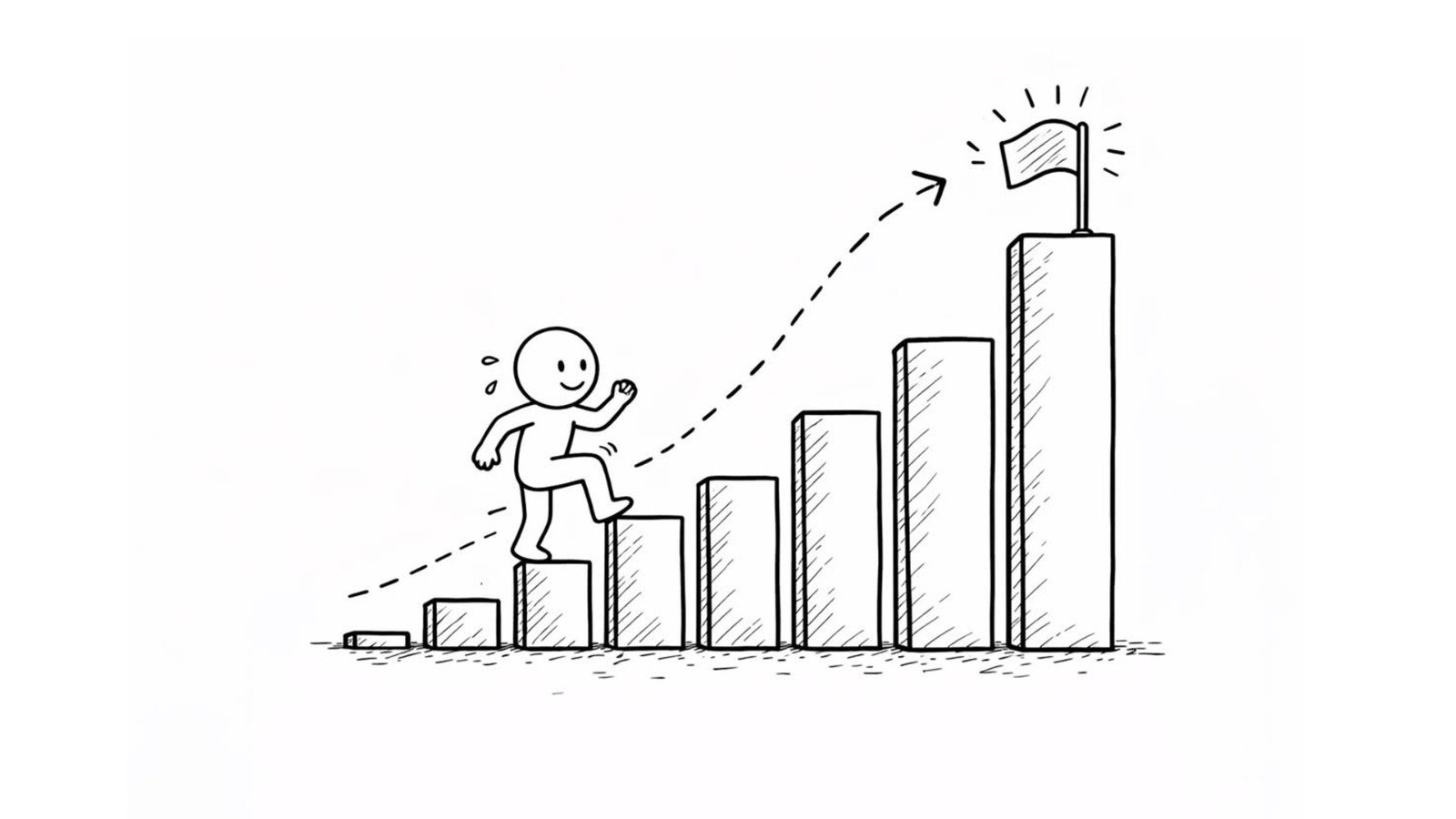
A 15% increase dropped all at once feels like an event — a phone call, a renegotiation, maybe a lost account. Break the same increase into three separate 5% moves across the year instead, and the total by December is identical, but the reaction almost never is.
Nobody’s being fooled here — the number ends up the same either way. The difference is time to absorb it. A big jump feels like the ground shifted overnight. A handful of small ones just feels like how things work now.
Ask Yourself This
When’s the last time you checked whether your prices match what things cost you today, not what they cost the last time you bothered to look?
If you’re hesitating on that, sit with this instead: the risk was never the customer who might grumble over a fair, well-explained increase. It’s the money you’ve already handed away to the ones who never even had to ask.