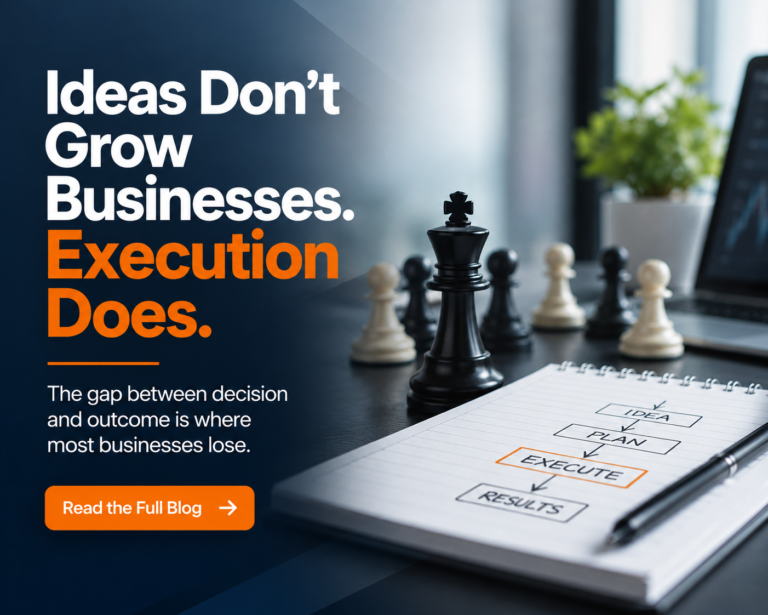


Scaling a business is often seen as a function of capital, people, and systems. But in reality, the biggest constraint to growth is almost always the founder’s mindset. Many businesses don’t fail because the opportunity is small; they struggle because the founder hasn’t mentally evolved to lead the next phase.
Scaling without mindset maturity leads to chaos. Processes break, decisions slow down, teams become dependent, and growth starts feeling heavier instead of freer. As we head into 2026, scaling will demand sharper thinking, cleaner execution, and a more evolved founder mindset.
Scaling Without Mindset Maturity Leads to Chaos


What got you here will not take you there.
In the early stages, hustle works. Speed works. Personal involvement works. But the same behaviours that drive early success can quietly sabotage scale.
Founders who don’t upgrade their mindset often experience:
- Bottlenecks at decision points
- Teams are waiting instead of acting
- Revenue is growing faster than control
- Founder burnout
Scaling amplifies everything, especially weaknesses.
Why 2026 Needs Smarter Execution
Markets in 2026 will be less forgiving. Customer expectations are higher, competition is sharper, and cost structures are tighter. Growth will no longer reward brute force execution.
The founder mindset for scaling in 2026 must shift from doing more to doing better. From reacting fast to executing deliberately. From personal heroics to organisational capability.
1. From Doing Everything → To Delegating the Right Things
Founder Bottleneck
Many founders unknowingly become the biggest bottleneck in their own business. When every decision flows through one person, speed slows down, and teams stop thinking.
The belief that “only I can do this right” is one of the most expensive beliefs in a scaling business.
Systems Approach
Delegation is not abdication. It’s about building systems that produce outcomes without constant founder involvement. A mature founder mindset for scaling focuses on:
- Clear roles
- Defined decision rights
- Repeatable processes
The question shifts from “Who will do this?” to “What system should handle this?”
2. From Short-Term Wins → To Long-Term Value Creation

Sustainable Growth
Short-term wins often look attractive: quick revenue, aggressive discounts, rushed expansions. But these decisions usually create long-term problems in margins, culture, and brand equity.
Founders ready to scale think in terms of durability, not just momentum.
Strategy Before Execution
Execution without strategy creates activity, not progress. The founder mindset for scaling requires stepping back to define:
- Where to play
- Where not to play
- What to prioritise
Long-term value creation always beats short-term noise.
3. From Blame Culture → To Accountability Culture
Team Empowerment
In many growing organisations, mistakes trigger blame. This creates fear, slows decision-making, and kills ownership. Teams start escalating everything upward.
Scaling founders replace blame with accountability.
Ownership Language
Accountability-driven cultures ask:
- What did we learn?
- What will we improve next time?
- Who owns the outcome?
A strong founder mindset for scaling creates psychological safety with responsibility, where people are empowered to decide and accountable for results.
4. From Speed → To Precision
Quality Decisions
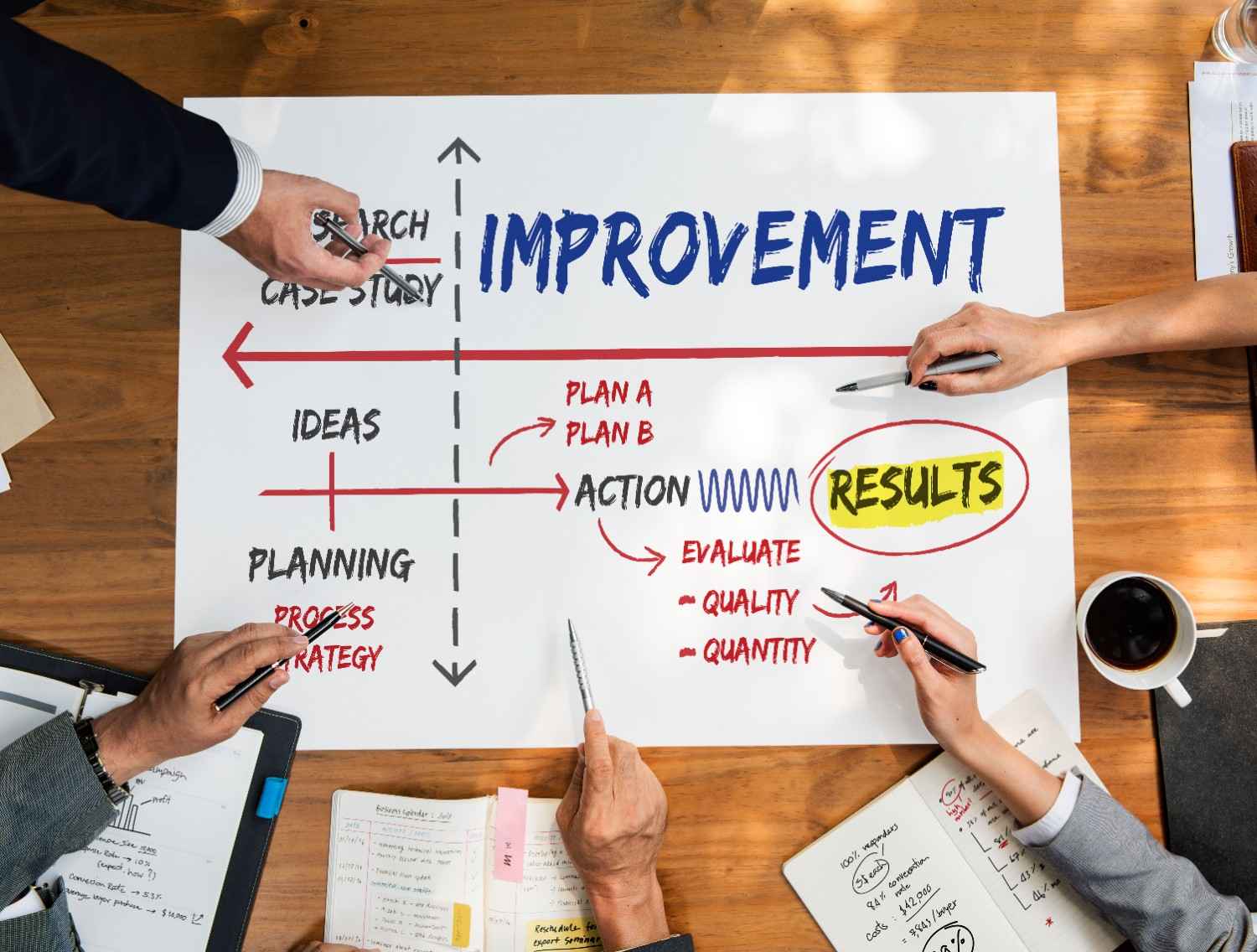
Speed creates growth in the early stage. Precision protects growth at scale.
Rushed decisions during scaling often lead to:
- Wrong hires
- Poor market entries
- Operational inefficiencies
Planned Scaling
Precision means expanding with intent, choosing the right customers, right markets, and right timing. The founder mindset for scaling prioritises quality of decisions over quantity of actions.
In 2026, sloppy growth will be expensive.
5. From Founder Dependency → To Team-Led Execution
Build Systems, Leaders, and Culture
A business cannot scale if it collapses when the founder steps away. Founder dependency is one of the clearest signs of mindset immaturity.
Scaling-ready founders focus on:
- Building second-line leaders
- Strengthening decision frameworks
- Reinforcing culture through systems
The goal is not to be needed everywhere, but to be needed strategically.
Real Founder Patterns
Founders who scale successfully shift their role from:
- Problem-solver → Capability builder
- Doer → Direction setter
- Operator → Architect
This shift defines the founder mindset for scaling.
Common Mistakes Founders Make While Scaling

Across industries, the same patterns repeat:
- Scaling revenue without fixing operations
- Hiring too fast or too late
- Centralising all decisions
- Confusing activity with effectiveness
These are not strategy failures. They are mindset failures.
What Successful Founders Do Differently
Founders who scale well:
- Build systems before scale demands them
- Invest in leadership early
- Replace instinct with frameworks
- Trade control for leverage
They grow calmer as the business grows bigger, not more chaotic.
Conclusion: Scaling Is a Mindset Before a Strategy
Before you scale your business, you must scale your thinking. No strategy, tool, or consultant can compensate for a mindset that hasn’t evolved.
At 10X MIH, scaling is approached as a mindset upgrade first, and an execution play second. Because growth without mental readiness creates complexity, not freedom.
In 2026, the businesses that win won’t just be larger, they’ll be better led.